Imagine stepping into a time capsule where 19th-century industrial grandeur meets modern urban revival. Welcome to Księży Młyn (Priest’s Mill), one of Poland’s most fascinating examples of industrial heritage tourism. This remarkable complex in Łódź offers visitors a unique glimpse into the country’s textile empire while serving as a vibrant hub for contemporary culture, dining, and entertainment.
The Rise of a Textile Empire
Księży Młyn’s story begins in the second half of the 19th century when German industrialist Karol Wilhelm Scheibler transformed a modest mill settlement into what would become the largest cotton mill complex in Poland. Built on the site of a former priest’s mill dating back to 1428, this industrial marvel was designed as a self-contained company town that housed everything from massive factory buildings to worker housing, schools, and even a fire station.
What made Scheibler’s vision truly revolutionary was his approach to industrial urban planning. Drawing inspiration from English industrial communities, he created what locals still refer to as “a city within a city.” By the 1920s, the complex had grown to include not only the Scheibler family estates but also the neighboring Grohman properties, creating an industrial ecosystem that dominated Łódź’s skyline and economy.
Architectural Marvel and Heritage Recognition
The architectural significance of Księży Młyn cannot be overstated. In 1971, the entire urban complex was officially recognized as an industrial architecture monument, cementing its place in Poland’s cultural heritage. The buildings showcase a fascinating blend of functional industrial design and Art Nouveau influences that characterized Łódź’s golden age of textile manufacturing.
Did You Know? Księży Młyn represents one of the last remaining examples of a “classic industrial town” complete with factory buildings, proprietor’s palace, and worker dwellings all in their original context – making it a truly unique destination for heritage tourism enthusiasts.
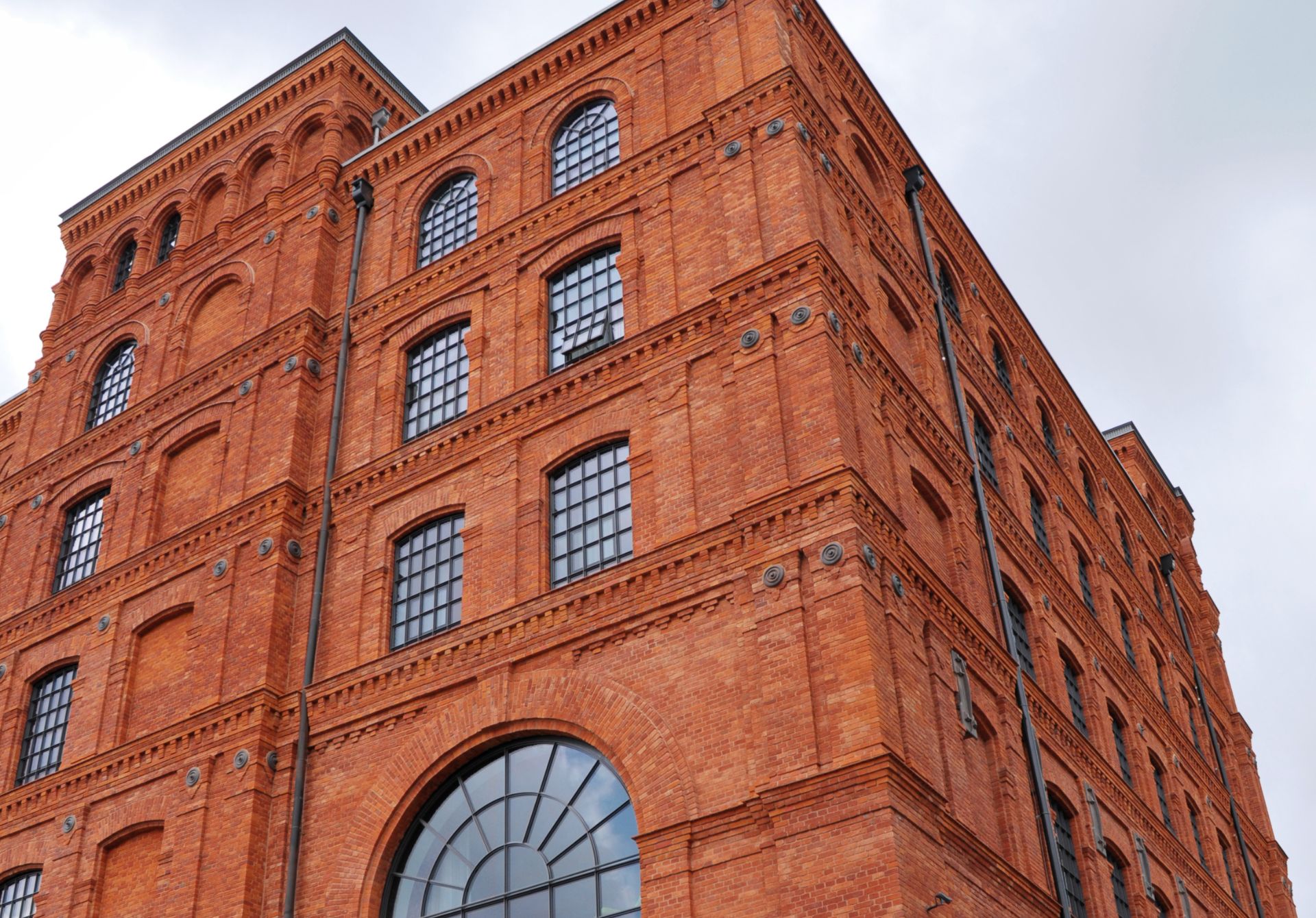
The crown jewel of the complex is the revitalized Art Nouveau power plant, which now serves as a stunning example of adaptive reuse. The red-brick buildings with their distinctive chimneys and ornate facades tell the story of Poland’s industrial revolution while providing Instagram-worthy backdrops for modern visitors.
Modern Renaissance: What Awaits Today’s Visitors
The fall of Poland’s textile industry in the late 20th century could have spelled doom for Księży Młyn, but instead, it sparked a remarkable transformation. Since the first decade of the 21st century, the area has undergone extensive renovation, evolving into a mixed-use development that brilliantly balances preservation with innovation.
Today’s Księży Młyn offers visitors an eclectic mix of experiences:
- Converted Loft Spaces: Former factory floors now house trendy apartments and creative spaces that maintain their industrial character while offering modern amenities
- Cultural Centers: The complex serves as a magnet for artists and photographers, with various venues hosting exhibitions, performances, and cultural events
- Office Spaces: Modern businesses have found homes in sensitively converted industrial buildings, creating a unique work environment
- Dining and Entertainment: From craft breweries to international restaurants, the area offers diverse culinary experiences in atmospheric settings
- Green Spaces: Small forested areas and parks provide peaceful retreats within the urban complex
Culinary Delights and Nightlife
Food enthusiasts will find Księży Młyn particularly rewarding. The area has emerged as a culinary hotspot, with several standout establishments that deserve special mention. Browar Księży Młyn, a craft brewery housed in a converted industrial building, offers visitors the chance to sample locally-brewed beers in an atmospheric setting that celebrates the area’s industrial heritage.
For those seeking international flavors, Cesky Film provides authentic Czech cuisine in a setting that feels both nostalgic and contemporary. The Fatamorgana restaurant, open Wednesday through Sunday from 1 PM, has gained recognition for its innovative approach to Polish cuisine, while the adjacent Stacja Zero cafe (open Tuesday to Sunday, 10 AM to 7 PM) serves as a perfect spot for afternoon coffee and light meals.
Practical Tourist Information
Getting to Księży Młyn is straightforward for visitors staying in Łódź. The complex is easily accessible by public transportation, with bus stops at Fabryczna – Przędzalniana NŻ and Tymienieckiego – Przędzalniana providing convenient access. The area is also within walking distance of other major Łódź attractions, making it perfect for inclusion in a broader city itinerary.
For those interested in guided experiences, English-speaking tours are available through local operators, providing deeper insights into the complex’s fascinating history and architectural significance. These tours are particularly valuable for understanding the social and economic context that shaped this unique urban landscape.
Photography and Instagram Opportunities
Księży Młyn has become increasingly popular with photographers and social media enthusiasts, and it’s easy to see why. The complex offers an extraordinary variety of visual experiences, from the imposing brick facades and towering chimneys to the intimate courtyards and green spaces that provide peaceful interludes between the industrial structures.
The contrast between the historic industrial architecture and modern interventions creates compelling compositions that tell the story of urban transformation. Whether you’re interested in architectural photography, street photography, or simply want to document your travels, Księży Młyn provides endless opportunities for memorable images.
Why Concierge Services Recommend Księży Młyn
From a concierge perspective, Księży Młyn represents the perfect synthesis of cultural education, dining, and entertainment that appeals to sophisticated travelers. The complex offers something for every type of visitor: history buffs can explore the industrial heritage, foodies can sample craft beers and international cuisine, culture enthusiasts can attend events and exhibitions, and urban explorers can discover hidden corners and architectural details.
What sets Księży Młyn apart from typical tourist attractions is its authenticity. This isn’t a sanitized historical recreation – it’s a living, breathing example of successful urban regeneration that maintains its industrial character while serving contemporary needs. This authentic atmosphere creates memorable experiences that resonate long after visitors have returned home.
Planning Your Visit
The beauty of Księży Młyn lies in its flexibility as a destination. You can easily spend a few hours exploring the complex, stopping for lunch and drinks, or make it the centerpiece of a full day’s exploration combined with other Łódź attractions. The area is particularly atmospheric in the late afternoon and evening when the industrial lighting creates dramatic shadows and the restaurants begin to come alive.
Consider timing your visit to coincide with cultural events or exhibitions, which are regularly hosted in various venues throughout the complex. These events provide additional context and help visitors understand how the space continues to evolve and serve the community.
Summary: Why Księży Młyn Should Be on Every Łódź Itinerary
Księży Młyn represents far more than just another historical site – it’s a testament to the power of thoughtful urban regeneration and the enduring appeal of authentic industrial heritage. For tourists seeking experiences that go beyond conventional sightseeing, this complex offers a unique window into Poland’s industrial past while demonstrating how historic sites can successfully adapt to serve contemporary needs.
The combination of architectural significance, culinary excellence, cultural programming, and atmospheric charm makes Księży Młyn an essential stop for anyone exploring Łódź. Whether you’re interested in history, architecture, food, culture, or simply discovering hidden gems off the typical tourist path, this remarkable complex delivers an experience that is both educational and genuinely enjoyable.
For concierge services and travel professionals, Księży Młyn represents the type of authentic, multifaceted destination that creates lasting memories and encourages return visits. It’s a place where Poland’s industrial heritage comes alive in the most contemporary and engaging way possible.